Why minimally invasive scoliosis surgery?
Traditional open scoliosis surgery detaches paraspinal muscles from the bone. Dr. Sarwahi’s approach splits along natural anatomical planes, preserving spinal integrity, natural kyphosis, and athletic potential.
Minimally Invasive vs.
Traditional Open Surgery
Conventional method
Traditional Open Fusion
Muscle Stripping
Complete detachment (disinsertion) of paraspinal muscles from the vertebral columns, leading to tissue trauma and denervation.
Blood Transfusion Rate
~20% of patients require a donor blood transfusion nationally.
Postoperative Pain & Opioids
Prolonged narcotic regimens required due to deep muscle and soft tissue destruction.
Hospital Duration
Extended stay of 5 to 7 days with delayed initial ambulation.
Sagittal Profile
Risk of “flat back” syndrome due to detached posterior tension bands, causing accelerated aging in adjacent discs.
Return to High-Level Athletics
Typically restricted for 6 to 12 months with frequent rigid post-op bracing requirements.
The Sarwahi standard
Dr. Sarwahi MIS Scoliosis
Muscle-Sparing Access
Muscles are gently split along natural anatomical planes rather than detached. Ligaments and tension bands remain intact.
98% Transfusion-Free
Over 98% of patients never receive a blood transfusion due to focused minimal access.
Significantly Lower Opioid Use
Dramatically less muscle trauma minimizes narcotic requirements and eliminates dependency risks.
Rapid Discharge
Home in 2–3 days; adolescents are standing and walking within 24 hours of surgery.
Preserved 3-Plane Kyphosis
Natural spinal curvature is preserved, preventing adult degenerative disk flat-back deformities.
Elite Sports & No Bracing
Zero rigid back braces required. Athletes practice at 3–4 weeks and return to high-level competition in 2–3 months.
Recovery & Athletic Milestones
Because back muscles and structural ligaments remain attached, recovery is measured in weeks, not months. Over 50% of competitive adolescent athletes return to their sport within 2 to 3 months.
In Hospital
School & Practice
Full Sports Clearance
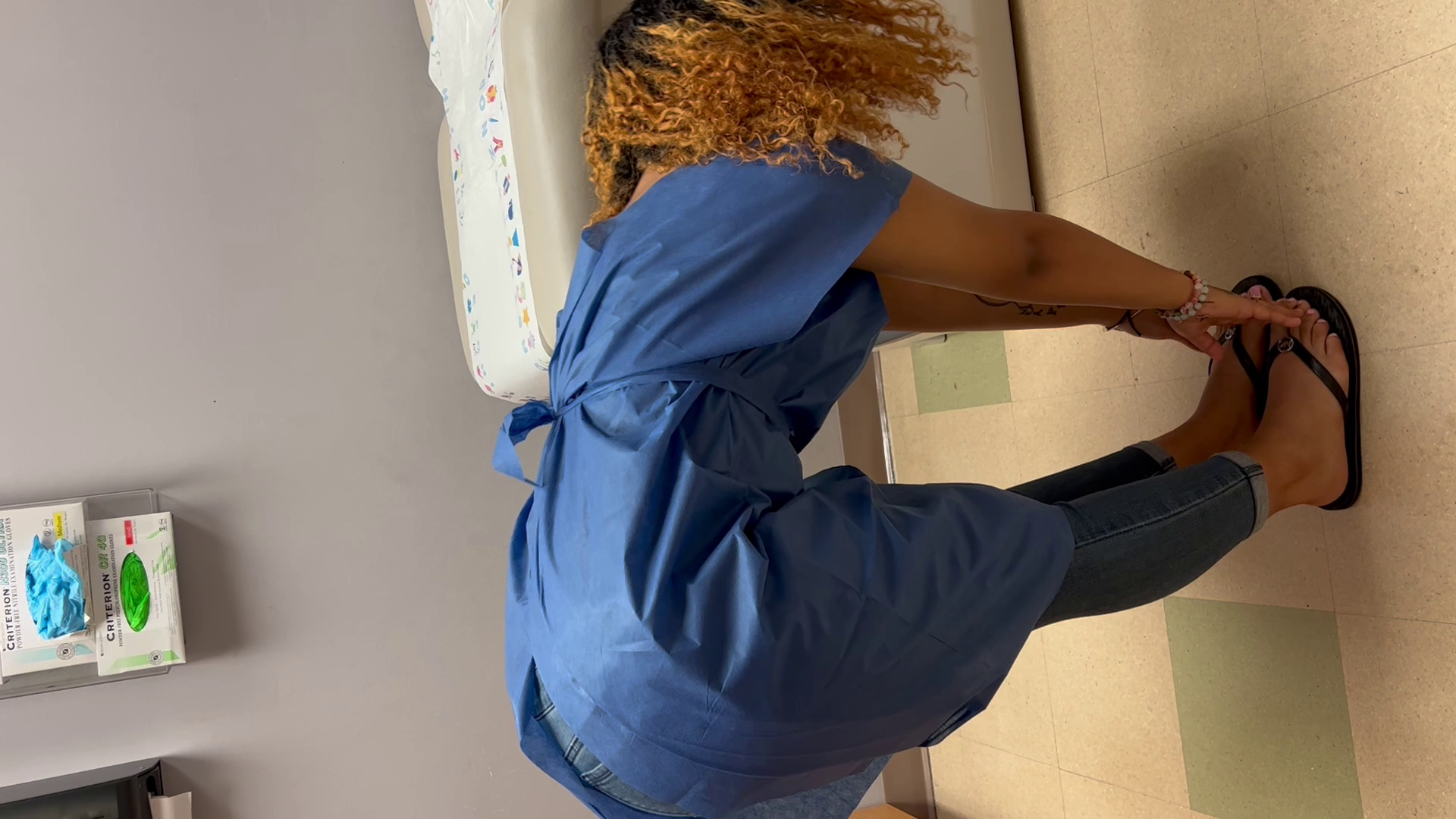
Immediate Postoperative & Rapid Ambulation
Key milestones and comfort
Early Walking
Standing and ambulating with physical therapy within 24 hours of surgery.
Zero Post-Op Bracing
No rigid plastic thoracic body jackets or braces required.
Total Sleep Freedom
Teenagers can comfortably sleep in any position: back, side, or prone (stomach).
Dissolvable Sutures
Multi-layer plastic surgery closure eliminates staple/suture removals.
Clinical insight
Patients are discharged home in just 2 to 3 days. Because paraspinal muscles were gently split rather than cut off bone, soft-tissue pain is drastically less severe, translating to minimal opioid reliance.
Average Stay
2.8 Days
Opioid Duration
Minimal
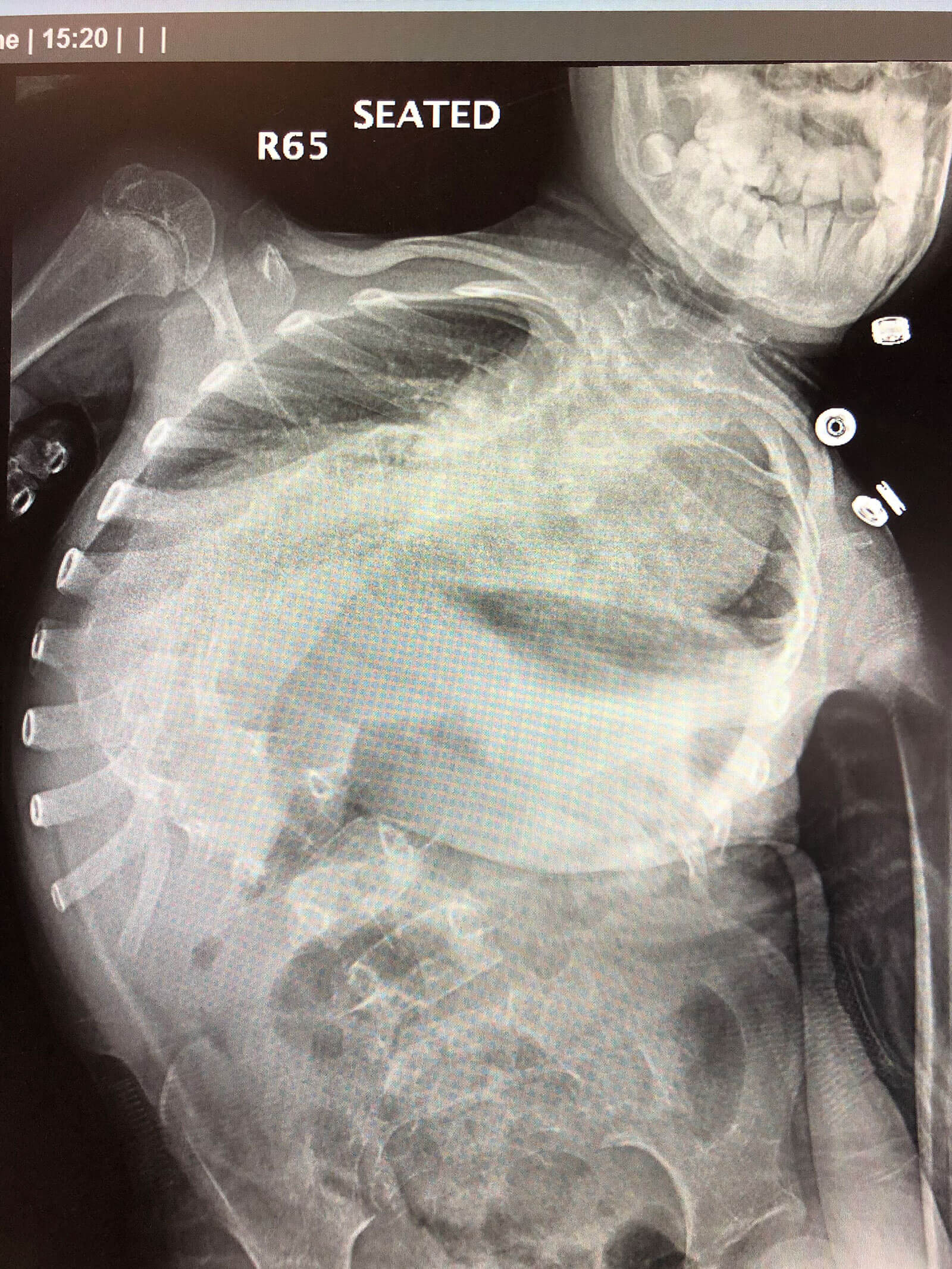
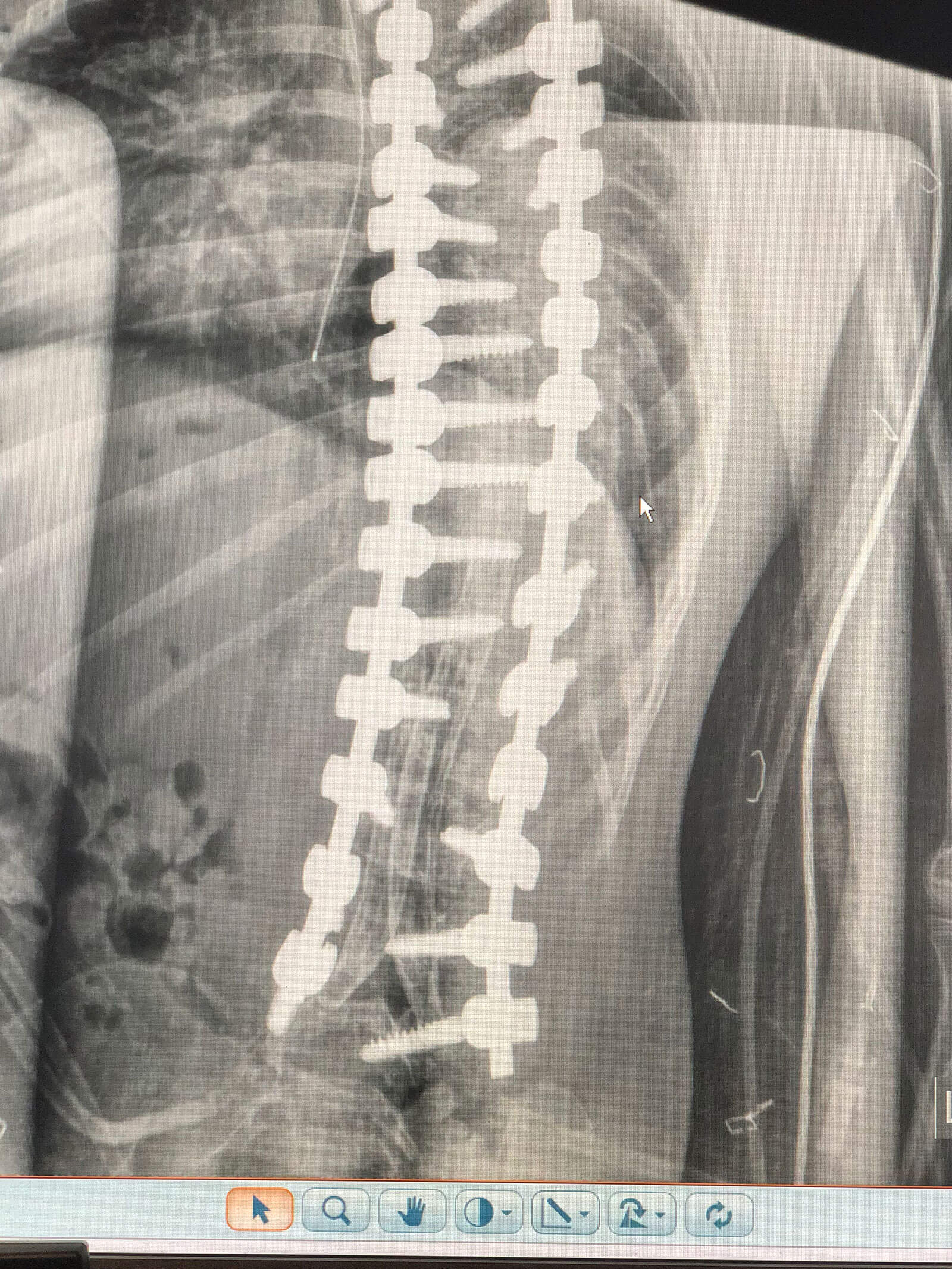
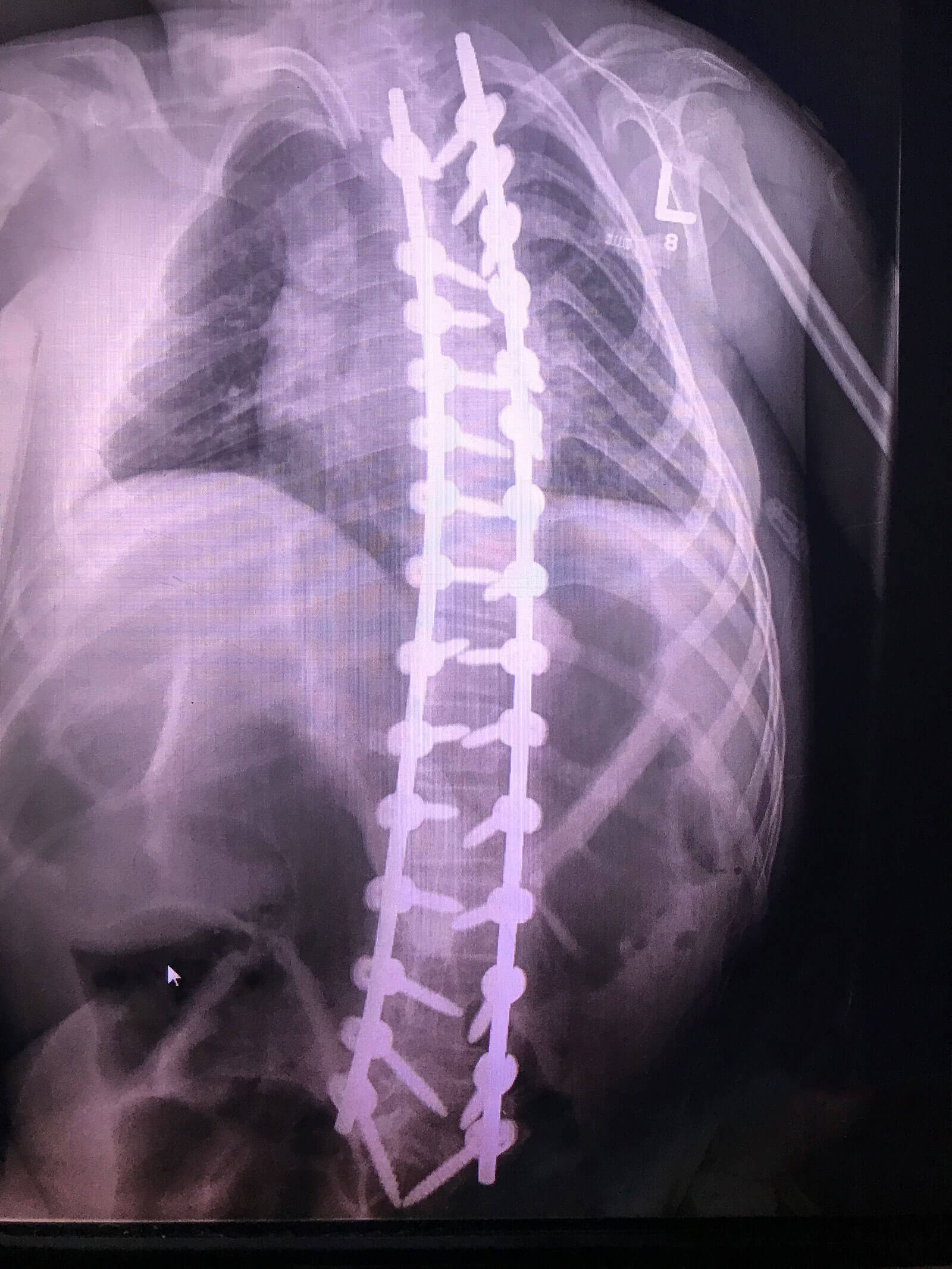
Imaging
Spine imaging before and after instrumented correction.
Take the next step toward your child’s spine health
Whether you are seeking a first opinion or exploring minimally invasive options for a progressive curve, Dr. Sarwahi and his team are here to guide your family with compassionate, expert care.